


Dubai Multi Commodities Centre (DMCC)
DMCC is a free zone authority established by the Dubai government to create a dedicated centre for commodity trade flowing through Dubai. Its mandate has since expanded far beyond commodities. Today DMCC functions as a complete business ecosystem combining licensing, regulation, commercial infrastructure, office space, and community living.
The authority is headquartered in Jumeirah Lakes Towers, commonly called JLT. The development is one of Dubai’s most prominent mixed-use communities, comprising numerous residential and commercial towers arranged around lakes and parkland. Businesses registered in DMCC operate from within this community, giving them access to office space, meeting facilities, retail amenities, and transport connections in a single district.
DMCC is a state-backed authority, but it is not the same as the Department of Economy and Tourism (DET), which oversees mainland companies. A DMCC licence is a free zone licence. That distinction matters because free zone companies have different ownership structures, permitted activities, and market access rules compared with mainland entities.
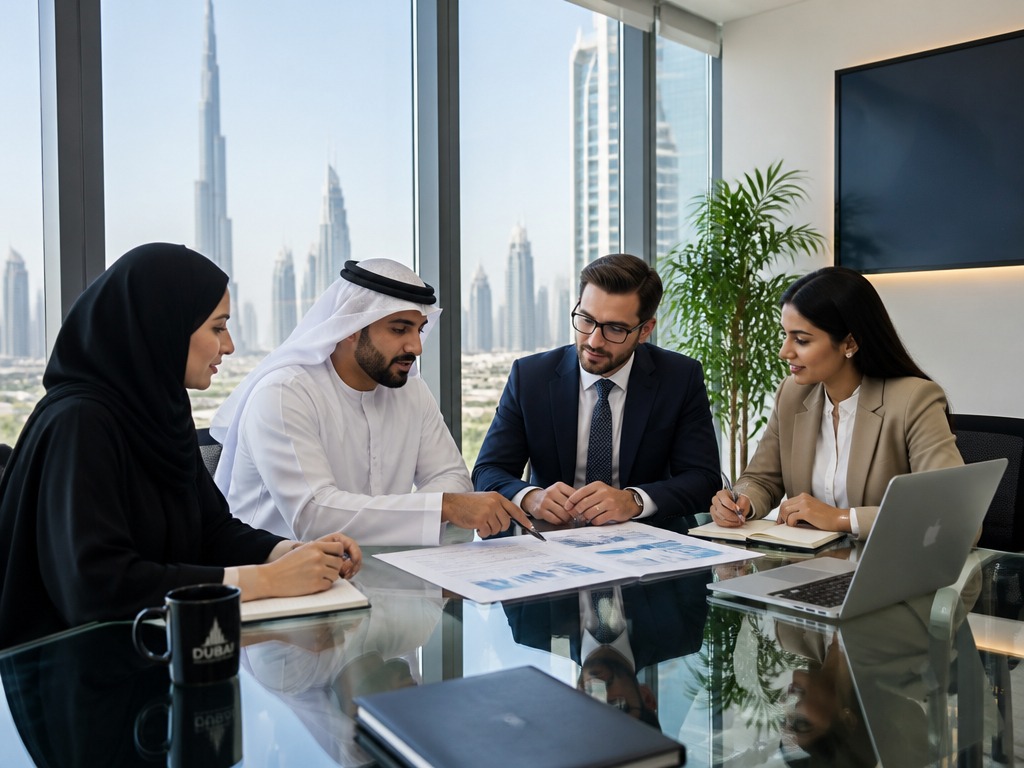
Common Licence Types and Business Activities
- Trading Licence. This allows companies to import, export, store, and distribute tangible goods. DMCC is particularly associated with trading in gold, diamonds, precious metals, tea, coffee, agri-commodities, energy products, and other commodities.
- Service Licence. This permits companies to provide professional or commercial services such as consulting, marketing, management, IT services, and business support.
- General Trading Licence. This broader trading licence permits dealing in multiple categories of goods under one licence, subject to the activities listed on the licence. It is widely used by import-export businesses dealing with a varied product range.
- Industrial or Manufacturing Licence. This allows companies to carry out production, processing, or assembly operations within permitted facilities and in accordance with sector-specific requirements.
- E-commerce Licence. DMCC supports online retail and digital trade through structured activity permissions that allow companies to sell through digital channels.
Within these categories, DMCC offers hundreds of approved activity descriptions. A company must operate strictly within the activities written on its licence. Adding a new activity later requires a formal amendment through the free zone authority, so it is important to match the licence to the complete commercial plan from the beginning.
Ownership, Legal Form, and Capital Requirements
One of the main reasons international entrepreneurs choose DMCC is the ability to retain full foreign ownership. Most DMCC companies can be owned 100% by foreign nationals. There is no requirement to appoint a UAE national shareholder or local sponsor, which was historically a central constraint for mainland businesses.
The most common legal form is a free zone limited liability company. Shareholders can be individuals or corporate entities from any country. A DMCC company can be formed with a single shareholder in most cases, and shareholders have limited liability, meaning their personal assets are generally protected from the liabilities of the business.
Each DMCC company must have at least one director and, in many cases, a company secretary. The director can be a shareholder or a third party and does not need to reside permanently in the UAE, although a UAE residence visa may be required for certain operational functions.
Minimum share capital requirements vary depending on the chosen activity and the number of visas requested. DMCC typically requires a minimum share capital of AED 50,000 for most activities, though certain regulated or high-volume trading activities may require significantly more. Unlike some other free zones, DMCC does not accept purely nominal share capital. The amount of share capital shown in the company’s documentation should be consistent with the scale and credibility of the planned commercial activity.

Office Space and Physical Presence
DMCC requires every licensed company to maintain registered office space within the DMCC community. This is a key part of the free zone’s model and distinguishes it from jurisdictions that allow purely virtual registration with no physical footprint.
DMCC offers several workspace solutions, ranging from flexible desk arrangements and serviced offices for start-ups and small consultancies to full leased floors for larger trading and operational companies. The choice of space affects the licence cost, the permitted number of visas, and the practical operation of the business.
A physical presence is not only a licensing requirement. It also supports banking relationships, as banks in the UAE typically expect evidence of a genuine office when opening a corporate account.
Tax and Compliance in 2026
The UAE tax environment has changed significantly in recent years, and a DMCC company is subject to the same federal tax framework as other UAE businesses.
- Corporate Tax. The UAE introduced federal corporate tax, and the regime is now fully in force. DMCC companies are generally taxed at the standard rate of 9% on taxable income (the 9% rate applies to taxable profits exceeding AED 375,000; profits up to this threshold are taxed at 0%). However, free zone entities that meet the conditions to be treated as Qualifying Free Zone Persons may benefit from a 0% rate on qualifying income. This incentive is subject to detailed conditions regarding substance, income, and compliance, so companies must maintain proper accounting records and submit corporate tax returns.
- Value Added Tax. VAT applies at a standard rate of 5%. Companies with taxable supplies above the mandatory registration threshold must register, issue compliant invoices, keep records, and file VAT returns. VAT registration is mandatory once taxable supplies exceed AED 375,000 in any 12-month period.
- Ownership Transparency. DMCC companies must maintain accurate shareholder and Ultimate Beneficial Ownership records and update them when ownership changes.
- Economic Substance Regulations. DMCC companies conducting certain listed activities, such as holding, shipping, distribution and service centre operations, or intellectual property activities, may fall within the UAE Economic Substance Regulations and must file notifications and meet substance requirements where relevant.
- Anti-Money Laundering. Businesses dealing in high-value goods, precious metals, or stones may be treated as Designated Non-Financial Businesses and Professions. Such companies must comply with the UAE’s AML rules, including customer due diligence and record-keeping.
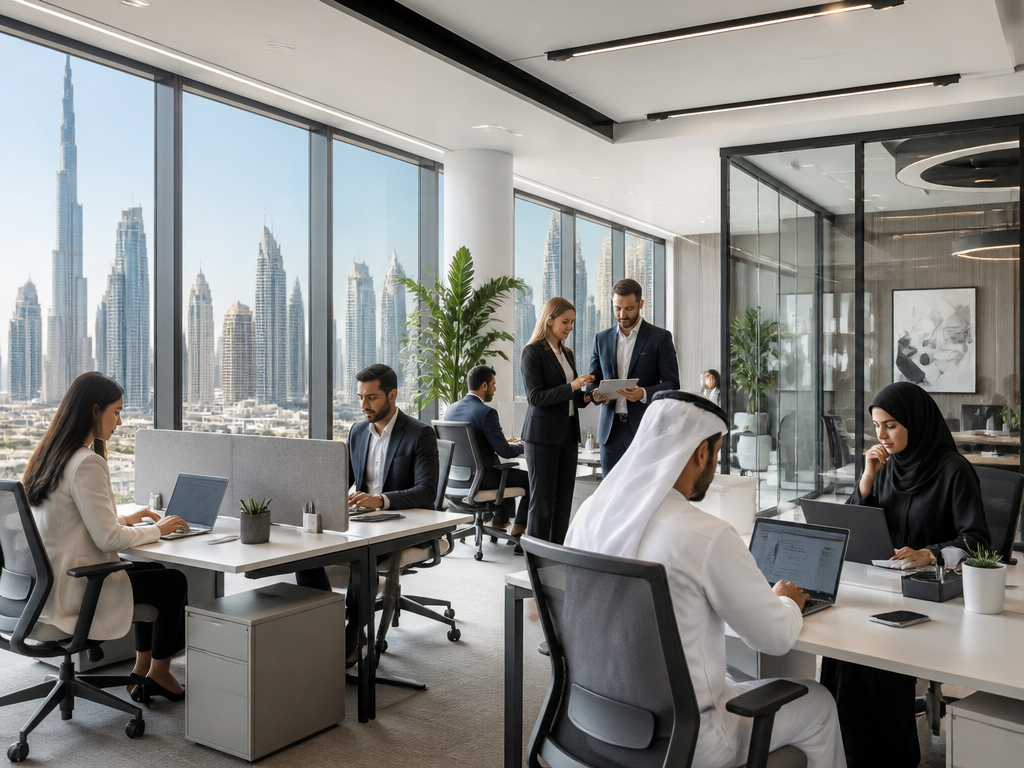
DMCC has become far more than a commodities centre. It is a complete business district, a regulatory authority, and a symbol of Dubai’s commercial ambition. For companies that need a credible international base, full ownership, and access to world-class infrastructure, DMCC remains one of the strongest choices in the UAE. At the same time, success in DMCC depends on choosing the right activity, maintaining a genuine presence, and keeping up with the UAE’s evolving tax and compliance landscape. MARINA Business Solutions supports business launch in the UAE at all key stages, helping enterprises evaluate options such as DMCC and navigate the practical steps from licence application to operational readiness. With the correct structure and a disciplined approach, a DMCC company can offer a powerful launchpad for growth across the region and beyond.


