



What You Need to Know Before Buying Property in Dubai
The real estate market in the United Arab Emirates attracts the attention of investors from around the world, and Dubai occupies a leading position in this process. The decision to purchase a real estate in this rapidly developing region requires a thorough analysis of numerous factors: from legal aspects to the choice of a specific location. For the transaction to be successful and for the invested funds to yield the expected return, it is essential to understand the key features of the local market that distinguish it from the systems familiar to many buyers.
For Russians and citizens of other CIS countries, Dubai has become one of the priority destinations for investment. Many choose this region because of its developed infrastructure, high level of security, and the possibility of obtaining a residence visa when purchasing high-value properties. Demand for residential real estate is growing, as confirmed by data from the Dubai Land Department, which regularly publishes market reports.
Legal Aspects and Transaction Processing Specifics
Before starting the search for a suitable option, it is important to understand the legal nuances. The procedure for registering property rights in Dubai is clearly regulated and transparent. The Dubai Land Department plays a key role in this process, monitoring compliance with legislation and protecting the interests of all parties involved in the transaction.
Foreign buyers can purchase properties in freehold zones, where full ownership rights are granted. Areas such as Downtown, Dubai Marina, Jumeirah, and Palm Jumeirah are the most popular among expats. In most cases, foreigners have the same rights as local residents, but there are certain restrictions to be aware of.
When signing a purchase agreement, attention must be paid to several key points. It is important to verify the developer's status: the company's reliability is confirmed by the existence of a construction permit and a positive reputation. One should examine the payment terms and the project's completion deadlines. Many developers offer instalment plans during the construction phase, making it possible to distribute the financial burden evenly.
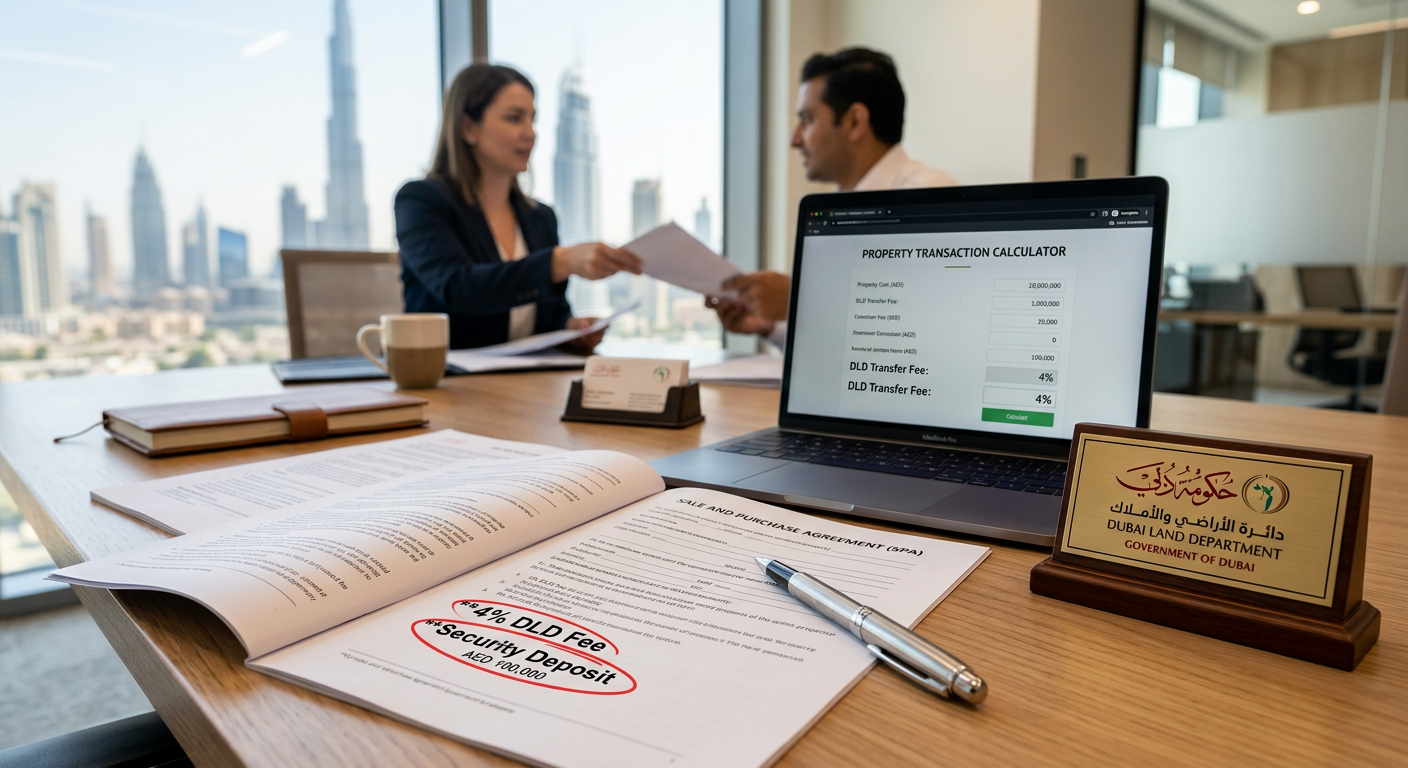
Transaction registration is carried out through the Dubai Land Department, which charges a registration fee of approximately 4% of the property's value. Additional services for document processing and legal due diligence may also be required. It is advisable to engage professional consultants who will help avoid mistakes and protect the buyer's interests. Local lawyers are well acquainted with the specifics of working in Dubai, which helps minimise risks when conducting transactions.
Types of Properties and Their Features
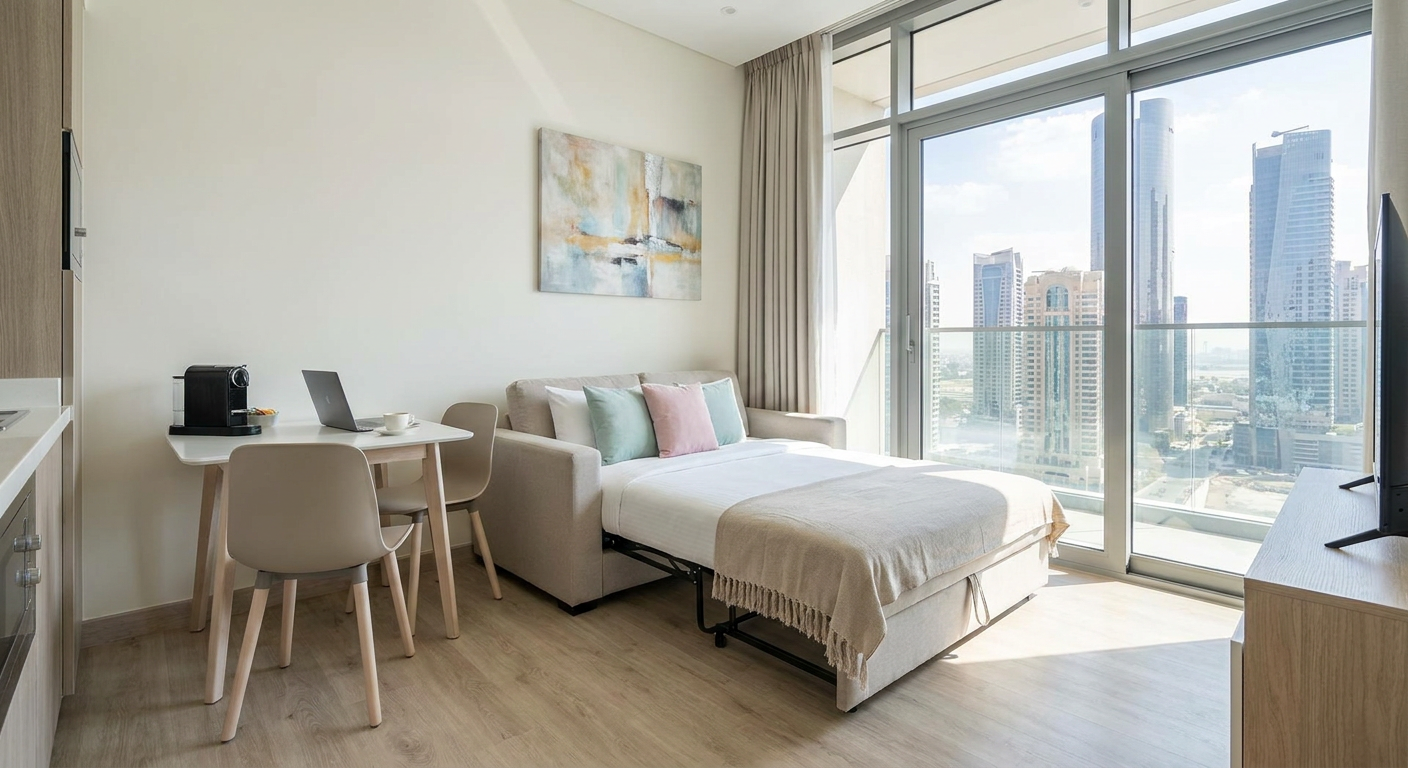
Modern residential complexes offer a wide choice of options: from compact studios to luxurious villas with private gardens and swimming pools. Apartments in high-rise towers are in demand among those who value panoramic views and access to urban infrastructure. One- or two-bedroom apartments are the most popular choice due to their optimal price-quality ratio.
Villas and townhouses are of interest to families who plan to live in the Emirate on a permanent basis. Such properties are usually located in prestigious areas of Dubai, such as Emirates Hills or Arabian Ranches, where all conditions for comfortable living are created. A large plot area makes it possible to organise a private space for leisure and entertainment.
The primary market offers properties at various stages of construction. Investors can purchase a home at the excavation stage, which allows them to lock in a favourable price and make a profit after the construction is completed. However, it is important to remember the risks associated with completion delays or changes in market conditions.
The secondary market offers ready-made apartments and houses that can be viewed before purchase. This option is more convenient for those who plan to move into the new property right after completing the transaction. The cost of real estate on the secondary market may be higher than during the construction phase, but the buyer gets a finished product with established infrastructure.
Financial Aspects and Cost Per Square Metre
Property prices in Dubai vary depending on the area, type of property, and construction stage. The average cost per square metre in prestigious locations such as Palm Jumeirah or Dubai Marina amounts to several thousand dollars. In more remote locations, one can find affordable options where the price per square metre will be significantly lower.
It is important to understand that the cost of a property consists of several components. The base price may be increased by additional services such as finishing, furnishing, or parking spaces. Some developers offer fully finished apartments with furniture and appliances, which simplifies the move-in process.
Financing the purchase can be carried out in various ways. Many buyers use their own funds, but credit programmes are also available to foreigners. Local banks offer mortgages for up to 25 years, with interest rates depending on the amount of the down payment and the borrower's credit history.
It should be borne in mind that in addition to the property cost, the buyer incurs additional expenses. The registration fee, agency commission, notary services, and other related payments can amount to 7-10% of the transaction value. These costs must be budgeted in advance to avoid unpleasant surprises.
Investment Appeal and Yield
Dubai properties demonstrate stable value growth, which makes them attractive for long-term investment. Rental yield averages 5-8% per annum, which is higher than the figures for many world capitals. It is particularly profitable to purchase studios and one-bedroom apartments, which are in the highest demand among tenants.
Short-term rentals through platforms like Airbnb allow for higher income but require active property management. Long-term rentals, on the contrary, provide a stable income with minimal time investment. The choice of strategy depends on the investor's goals and willingness to engage in property management.
Management companies offer services for renting out real estate, including tenant search, contract signing, and maintenance. This is especially relevant for those who reside outside the UAE and cannot personally oversee the process. Professional management helps maximise income and minimise risks.
Investing in Dubai real estate also provides the opportunity to obtain a residence visa. When purchasing a property worth 2 million dirhams (approximately 550,000 USD) or more, the investor can apply for a long-term visa. This factor is an important advantage for those planning to move to the Emirates or spend considerable time in the country.
Districts and Locations
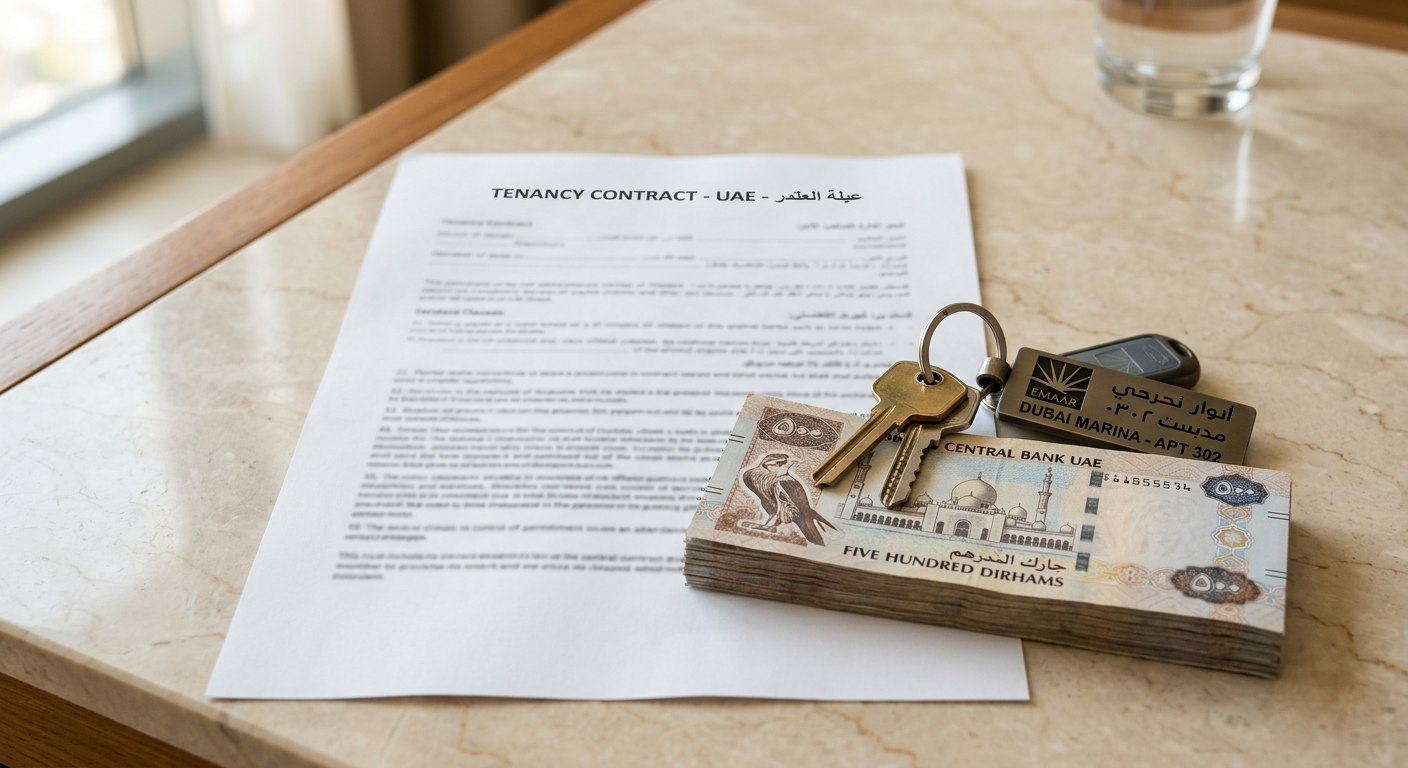
The choice of area is a key factor influencing living comfort and investment appeal. Each district of Dubai has its own features, infrastructure, and atmosphere. It is important to determine which criteria are the priority: proximity to work, the availability of schools, transport accessibility, and a well-developed recreational zone.
Dubai Marina is one of the most popular districts in Dubai, attracting both locals and expats. It is known for its high-rise buildings with panoramic views of the artificial canal and well-developed infrastructure. Numerous restaurants, shops, and leisure areas are located here, making life comfortable and vibrant.
Jumeirah offers a calmer atmosphere with predominantly low-rise buildings. This district is popular with families with children thanks to the presence of private schools, parks, and beaches. The cost of real estate here may be above average, but the quality of life fully justifies the expense.
Downtown Dubai is the city's business and tourist centre, where the world's tallest skyscraper, the Burj Khalifa, is located. Apartments here are in high demand due to the unique location and developed infrastructure.
Palm Jumeirah and other artificial islands offer unique properties with private beaches and a secluded atmosphere. Villas and apartments in these areas are in demand among wealthy buyers who value exclusivity and a high level of service. However, it should be taken into account that living in such locations entails significant maintenance costs.
Taxes and Fees
One of the main advantages of buying property in Dubai is the absence of income tax on rental earnings and capital gains tax. This makes investments particularly beneficial compared to other global markets where the tax burden can be substantial.
When purchasing a property, the buyer pays a registration fee to the Dubai Land Department, which constitutes 4% of the transaction value. This amount is split between the seller and the buyer, but in practice, the fee is most often paid in full by the buyer. Additionally, administrative fees and document processing charges may apply.
Property owners are required to pay annual contributions to the homeowners' association, which cover the costs of maintaining common areas, security, cleaning, and other services. The amount of the contributions depends on the type of property, its size, and the complex's infrastructure. On average, annual fees amount to 10-20 USD per square metre.
Utility bills in Dubai include payments for electricity, water, and district cooling. The cost of these services can vary depending on the season and consumption volume. When planning a budget, it is important to account for all regular expenses to avoid financial difficulties during the operation of the property.
Purchase Procedure and Required Documents
The process of acquiring real estate in Dubai consists of several stages and takes an average of two weeks to two months. The first step is choosing a suitable property and signing a preliminary agreement with the seller. In the case of a purchase on the secondary market, it is recommended to carry out a professional property inspection to identify potential defects.
After agreeing on the transaction terms, the parties sign a sales and purchase agreement, which is registered with the Dubai Land Department. The following documents are required for registration: the buyer's passport, proof of the source of funds, the seller's title deed, and the building's technical passport. All documents must be translated into Arabic and certified by an authorised body.
Payment for the transaction can be made in various ways: by bank transfer, in cash, or using a letter of credit. It is advisable to use escrow accounts, which ensure secure settlements and protect the interests of both parties. Many developers open escrow accounts for projects under construction, guaranteeing the safety of the buyer's funds.
After all formalities are completed, the Dubai Land Department issues a title deed, which is an official document confirming the owner's rights. From that moment on, the buyer can freely dispose of the property: sell it, rent it out, or pass it on by inheritance.
Dubai continues to be one of the most attractive real estate markets in the world, offering unique opportunities for investors and those planning to relocate. A careful approach to choosing a property and district, compliance with all legal norms, and the engagement of professionals will enable a successful transaction and maximum return on investment. The UAE market continues to develop, opening up new prospects for investment and comfortable living.