


Strategy in the Middle East
Strategy consulting is often seen as the most prestigious branch of the consulting profession. Strategy consultants advise boards and chief executives on the most consequential decisions a company can make: which markets to enter, which businesses to acquire, how to allocate capital, how to respond to disruption, and what the organisation should ultimately become. In the Middle East, the discipline has taken on a distinctive character, shaped by ambitious national transformation programmes, oil wealth shifting toward diversification, and a generation of family-owned and state-backed enterprises seeking to compete globally.

What Do Strategy Consulting Firms Do?
A strategy consulting firm analyses an organisation’s external environment, internal capabilities, and competitive position, then recommends a course of action. The work usually sits above implementation: it defines the destination and the route, while other specialists handle the journey.
Typical strategy engagements include:
- Corporate strategy. Determining the overall direction of a group, portfolio review, and capital allocation.
- Growth strategy. Identifying new markets, products, or customer segments and how to enter them.
- Market entry studies. Assessing the attractiveness of a country or sector and recommending the best entry model.
- Mergers and acquisitions. Helping companies buy, sell, or combine businesses and evaluating the strategic fit. In the UAE, formal M&A financial advisory — including fairness opinions and deal structuring — requires licensing from the Securities and Commodities Authority (SCA); strategy consultants typically advise on strategic rationale and integration rather than the regulated financial aspects of a transaction.
- Digital and technology strategy. Defining how an organisation should use technology to compete.
- Organisational strategy. Redesigning structures, decision rights, and management models to support the strategy.
- Sustainability and energy transition strategy. Guiding companies through ESG commitments, carbon reduction, and new energy markets.
The output is usually a set of recommendations supported by rigorous analysis. In recent years, however, clients have pushed strategy firms to stay involved through implementation, because a brilliant plan that is never executed has little value.
The Middle East Market for Strategy Consulting
The Middle East has long been a significant market for strategy consulting. Governments and large corporations in the Gulf Cooperation Council countries have historically invested heavily in external advice. The drivers are economic scale, concentrated decision-making, and a preference for proven international expertise.
The United Arab Emirates and Saudi Arabia are the two most active markets. The UAE, particularly Dubai, has become a regional consulting hub because of its openness, infrastructure, and ease of doing business. Many global firms run substantial regional offices from Dubai. Saudi Arabia, with its enormous Vision 2030 investment programme, generates the highest consulting expenditure in the region.
Qatar, Kuwait, Bahrain, and Oman also generate significant strategy work, especially around infrastructure, energy, logistics, and public sector modernisation. Egypt, with its large domestic market, adds another layer of demand, although its economic conditions differ from the wealthy Gulf states.
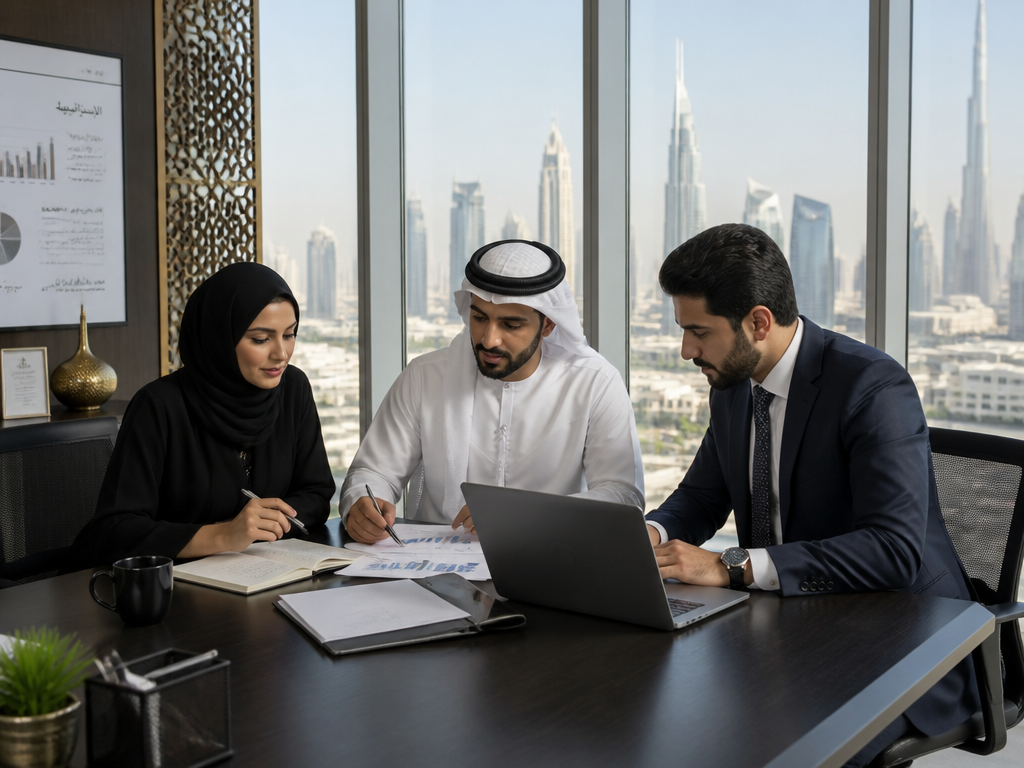
How Strategy Is Different in the Middle East
- Transformation at State Scale
In few other regions does national strategy drive so much consulting demand. Saudi Arabia’s Vision 2030, the UAE’s various long-term strategies, and similar programmes in other Gulf states are not marketing slogans. They are pipelines of real projects: new cities, industrial zones, tourism destinations, financial centres, and technology ecosystems. Each project requires market studies, feasibility work, operating model design, and implementation support.
- The Importance of Relationships
The Middle East remains a relationship-driven business culture. Trust, personal credibility, and long-term presence matter. Global firms that rotate consultants through the region without building continuity can struggle. Local and boutique firms often succeed because their principals have deep personal networks and understand how decisions are actually made.
- Family Business Dynamics
Family-owned groups control a large share of Middle Eastern economic activity. Strategy engagements with these groups must address governance, generational transition, professional management, and legacy preservation. Standard Western frameworks for shareholder value must be adapted to family priorities that may include status, heritage, employment of relatives, and long-term continuity.
- Regulation and Market Entry
The Middle East is not a single market. Each country has its own licensing rules, foreign ownership restrictions, free zones, tax regulations, and labour policies. Strategy work that involves market entry must therefore be grounded in precise regulatory detail. A recommendation that works in Dubai may not work in Riyadh or Cairo. This is why regional knowledge is commercially valuable.
What Makes a Good Strategy Consultant in the Region
The criteria for success in the Middle East combine international standards with local depth.
A consultant must be:
- Analytically rigorous. No amount of local insight substitutes for weak analysis.
- Culturally aware. Understanding how to advise governments and family businesses requires respect for hierarchy, status, and tradition.
- Commercially literate. The region’s economy is capital-rich but competitive, and clients expect recommendations that create measurable value.
- Politically informed. In a region where business and state are closely connected, understanding the policy environment is essential.
- Committed to presence. Long-term relationships often outweigh a single brilliant report.
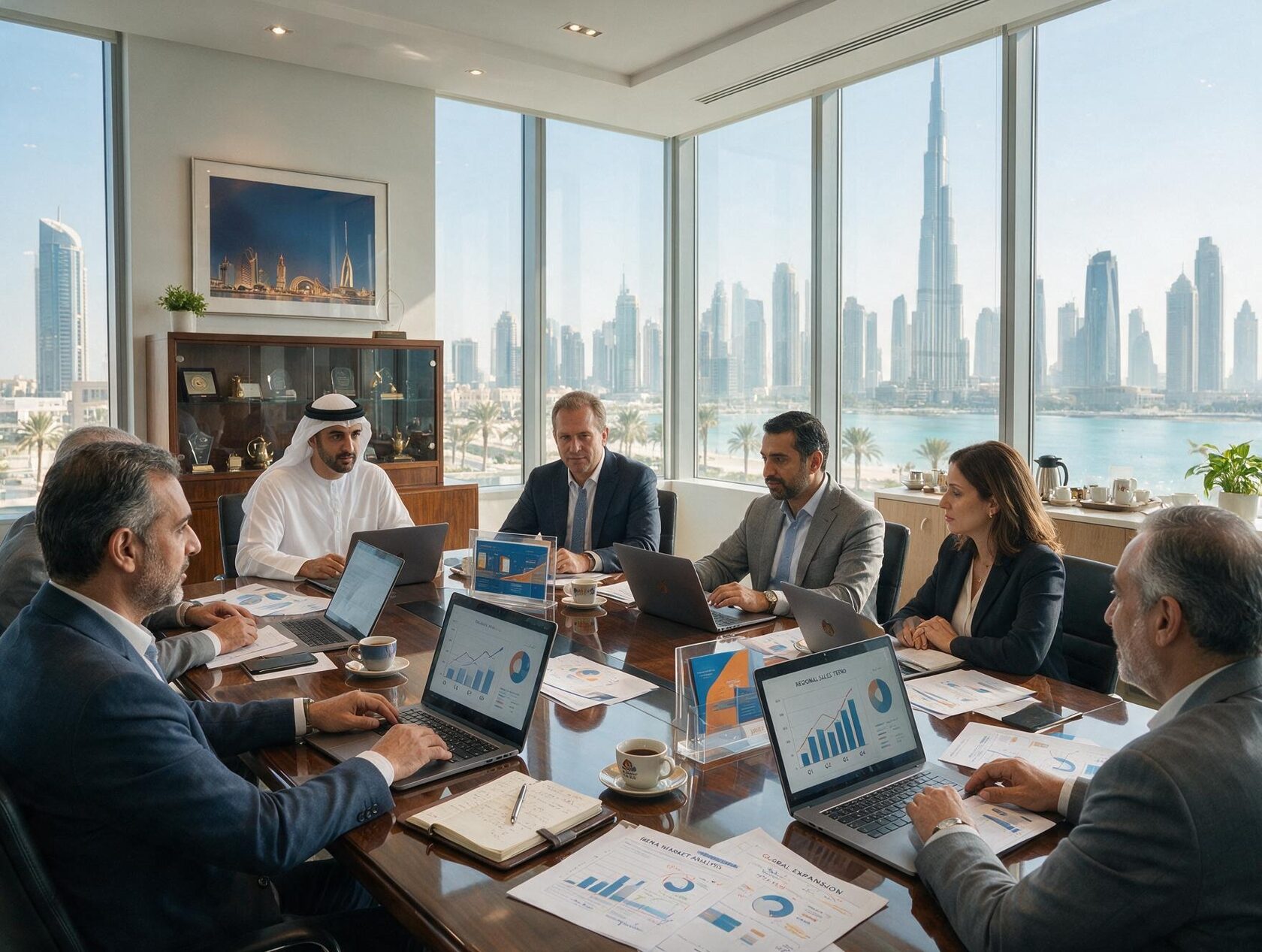
Strategy consulting firms play a central role in the Middle East, where national transformation agendas, sovereign investment, family business evolution, and the energy transition create an unusually rich environment for high-level advice. The best work in the region combines global analytical standards with local relationships, cultural awareness, and practical implementation. As the market matures in 2026, clients are rewarding firms that commit to execution and local knowledge over those that only deliver reports.
The broader consulting ecosystem in the Gulf now requires both strategy and execution to work together. A company that defines a clear regional strategy still needs to navigate the realities of establishing a legal presence, securing the correct licence, and meeting local compliance obligations. MARINA Business Solutions supports business launch in the UAE at all key stages, helping organisations turn strategic intent into an operating reality on a solid regulatory foundation. The region rewards those who can think deeply and execute reliably, and that combination remains the defining standard of successful consulting.


