



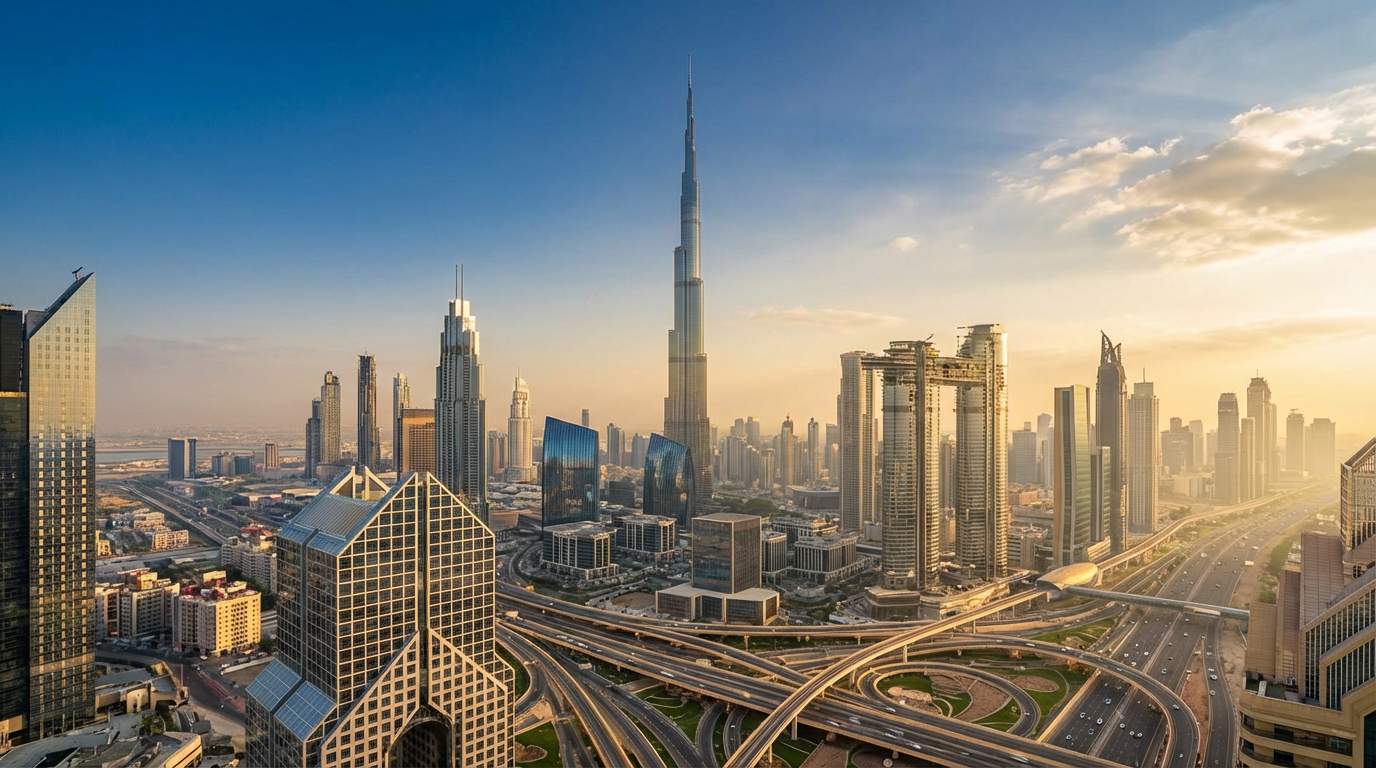
The United Arab Emirates has created a unique ecosystem for international business. UAE free economic zones have become the foundation of this transformation. It is here that a special environment is formed, where entrepreneurs receive exceptional conditions for growth. The UAE has managed to offer markets something fundamentally different — a harmonious combination of a liberal approach and a stable legal framework. This model attracts attention from business circles around the world.
Every year, thousands of founders regard this jurisdiction as a top priority. Dubai’s economic policy is aimed at diversification and reducing dependence on the oil sector. It was the UAE that developed special territories with a distinct legal status. Entrepreneurs value the transparency of procedures and the predictability of regulation. The local administration consistently improves services for investors, understanding that any company needs prompt support.
This concept implies the creation of separate zones with preferential operating conditions. Such territories operate under their own rules, distinct from those governing the mainland part of the state. Each territory is managed by an autonomous authority responsible for issuing permits and administration. This makes it possible to tailor conditions to the specific needs of various sectors.
Key Features of Free Zones
Registering a company in such a territory does not require a local partner. This is a fundamental difference from the mainland, where local participation is mandatory. Founders retain 100% control over their enterprise. Such autonomy attracts foreign owners who wish to maintain independence.
The procedure for setting up a business in the UAE takes a relatively short period — from a few days to a couple of weeks. Administrative barriers are minimised. Most processes can be handled remotely, which is especially valuable for non-residents. Document flow is conducted in English, simplifying interaction.
An important factor is physical presence — companies are required to rent an office within the chosen zone. However, space requirements vary: from a virtual desk to a full-scale office space. This makes the solution flexible and accessible for different budgets.
Diversity of Free Zones
Dubai’s free zones are distinguished by an enormous variety of specialisations. Each territory is focused on specific industries and types of activity.
Dubai Multi Commodities Centre (DMCC) focuses on trading precious metals, diamonds, and commodities. It is the largest business ecosystem in the region, bringing together thousands of companies.
Dubai Silicon Oasis specialises in technology, IT, and innovative start-ups. Modern infrastructure for software development and electronics manufacturing has been created here. Residents gain access to laboratories, research centres, and technology parks.
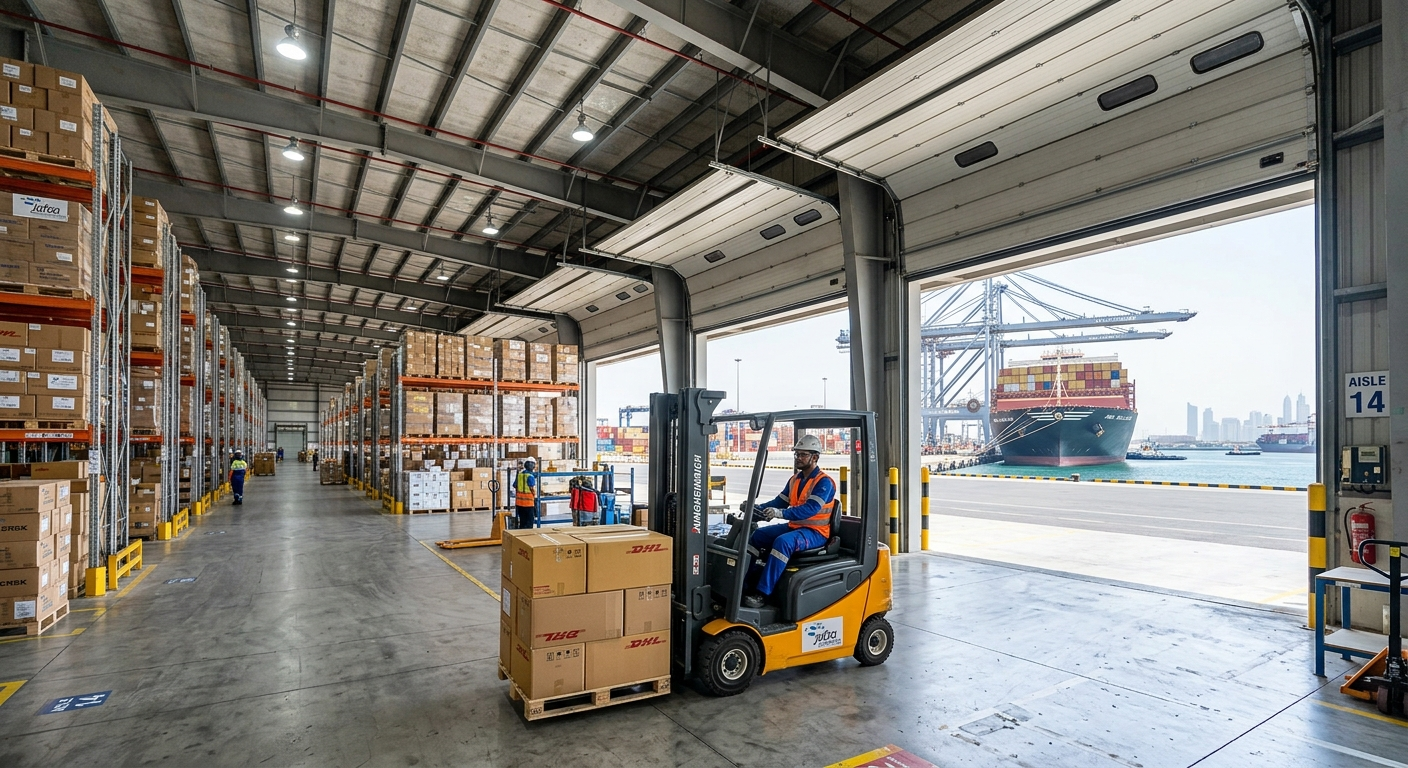
Jebel Ali Free Zone (JAFZA) is a giant industrial hub located next to the port of the same name. This is an ideal option for manufacturing enterprises, logistics operators, and distributors. The zone offers direct links to global trade routes.
Dubai Airport Free Zone (DAFZA) is focused on the aviation sector and related industries. Proximity to the international airport ensures fast cargo delivery and convenience for passenger transportation. Airlines, service centres, and freight forwarders register here.
There are also territories specialising in finance, medicine, education, and creative industries. This approach allows entrepreneurs to find a suitable environment for their project. The choice depends on the activity profile and long-term development plans.
Benefits for International Entrepreneurs
UAE free zones offer a number of undeniable advantages for foreign investors. Tax incentives remain the main magnet attracting capital from around the world. The absence of corporate and dividend taxes creates a favourable climate for wealth accumulation.
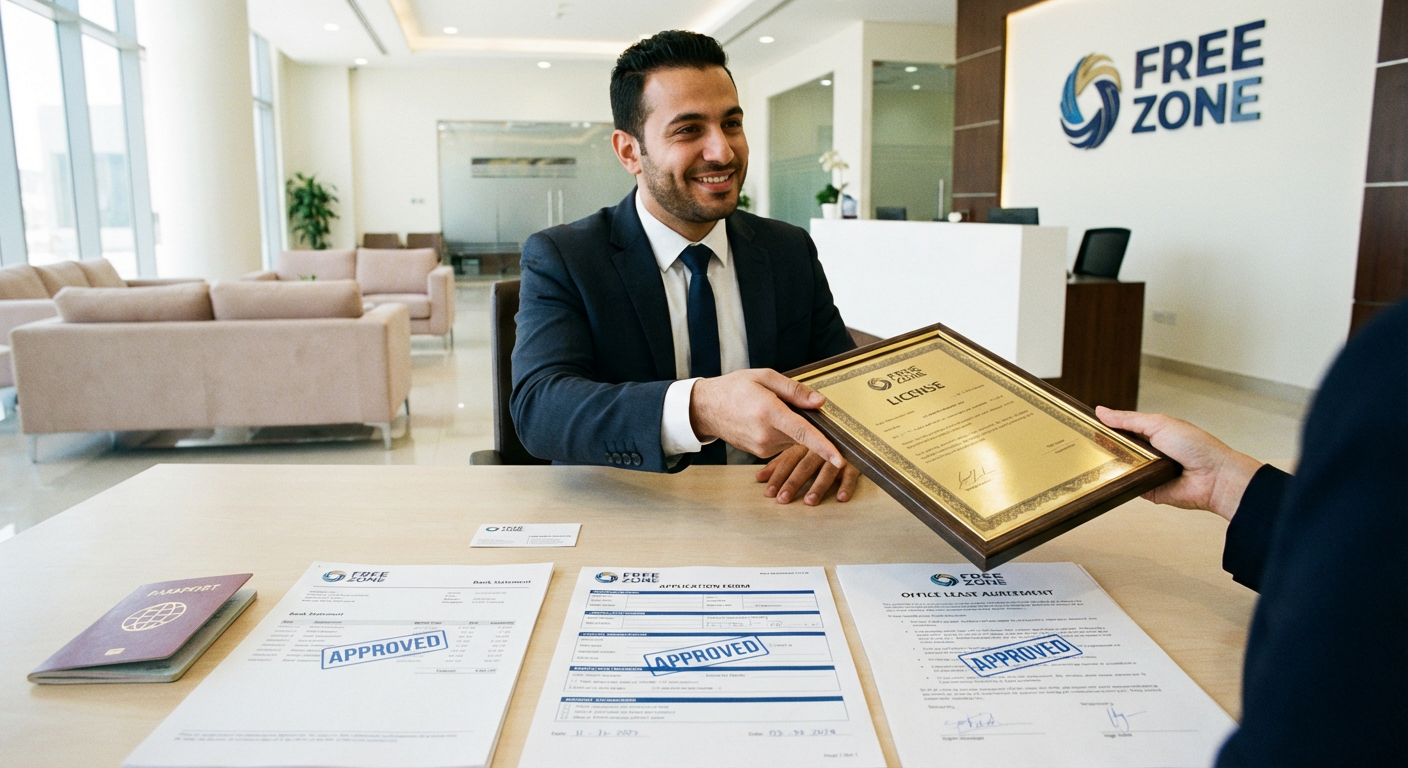
A simplified company registration system cuts bureaucratic red tape. To set up a company, it is sufficient to provide a basic set of documents: passport copies, proof of address, and a business plan. Most documents do not require notarisation, saving time and money.
Full foreign ownership is permitted without restrictions. Owners can make strategic decisions independently without coordination with third parties. This is particularly valuable for start-ups and small businesses where speed of reaction is critical.
Obtaining a residency visa becomes automatic upon business registration. Investors and their families acquire the right to reside in the Emirates. This provides access to the local healthcare system, education, and banking services.
Free zones also provide ready-made infrastructure: offices, warehouses, production facilities. Companies do not need to engage in construction or search for contractors themselves. All facilities comply with international quality and safety standards.
Registration Requirements
The process of establishing an enterprise in a free zone requires certain conditions to be met.
Founders must clearly define the type of activity to be carried out. A licence is issued strictly for the declared profile, so it is important to choose the category correctly.
The minimum share capital varies depending on the zone and licence type. For some territories, 50,000 AED is sufficient; for others, the threshold may be higher. These funds are blocked in the company’s account and can be used for operational activities.
The physical presence of the director or an authorised representative is a mandatory requirement. Personal attendance at the zone's office or a video conference with staff is required for registration. This allows verification of the applicant’s identity and the seriousness of intentions.
Documents must be translated into English or Arabic. Translations are certified by authorised translators. Passports and incorporation papers are copied and submitted with the application.
The licence is issued and access to banking services is granted only after this.
Types of Available Licences
A commercial licence is intended for enterprises engaged in the purchase and sale of goods. Trading activities cover import, export, wholesale, and retail sales. This is the most common type among small and medium-sized entrepreneurs.
A professional licence is issued to consultants, lawyers, architects, designers, and other specialists. Services are provided to both individuals and legal entities. Obtaining one requires confirmation of qualifications and professional experience.
An industrial licence is required for manufacturing companies. It allows the production of goods, their storage, and distribution. The legislation imposes additional requirements for the safety and environmental friendliness of processes.
A licence for e-commerce has become popular in recent years. It covers online stores, marketplaces, and digital platforms. The regulation of such enterprises takes into account the specifics of online trading and consumer data protection.
A multi-licence combines several areas into a single permit. This is convenient for diversified businesses operating in different segments. A company in the UAE can simultaneously engage in trading, provide services, and manufacture goods.
Prospects for the System’s Development
The UAE’s economic policy continues to evolve towards liberalisation. The authorities are striving to attract more foreign capital and talent. New hubs are opened regularly, offering innovative formats of cooperation. Every company operating in the UAE receives improved business conditions.
The digitalisation of processes simplifies interaction between business and administration. Online registration and remote verification are becoming the standard. Any company can complete the procedures remotely.
Choosing a free economic zone is a strategic decision that requires a balanced approach. Success in the UAE depends on the correct definition of goals, an understanding of industry specifics, and thorough preparation of documents. Entrepreneurs should study all available options and select the appropriate territory in the UAE for their company.
Founders must be ready to comply with local rules and UAE standards. Transparency of the origin of funds and a clear ownership structure remain key factors for approval. With the right approach, free zones become a reliable foundation for global business.